
NC Vinegar BBQ Sauce: Carolina Style from Jim’s Own
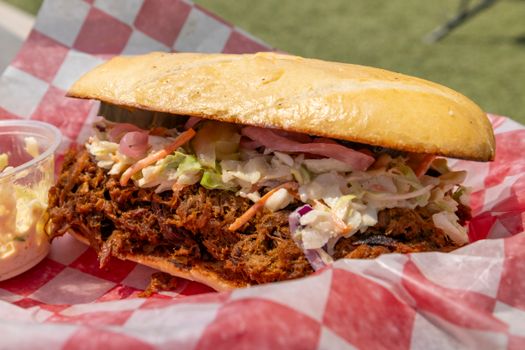 Photo by Nobleseed Nobleseed on Pexels
A bottle of NC vinegar BBQ sauce does not look like much. It is thin enough to pour, sharp on the tongue, and it will never sit on a rib the way a thick tomato sauce does. In eastern North Carolina, that is exactly the point. The sauce is there to cut through rich smoked pork, not to bury it.
Jim’s Own Sauce Vinegar carries that tradition in a bottle, made from a 60-year-old family recipe in the North Carolina style. This guide covers what the sauce is, how it differs from other Carolina sauces, and how to use it on pork, chicken, and just about anything else you pull off the smoker.
What NC Vinegar BBQ Sauce Actually Is
Carolina vinegar BBQ sauce is a sour and spicy sauce that originated in North Carolina, and it is defined by its base. Vinegar comes first, most often apple cider vinegar, and the seasoning that follows is built to add heat and bite rather than sweetness.
Common additions include crushed red pepper flakes, freshly ground black pepper, and cayenne. Some versions lean on white vinegar alongside cider vinegar. Others add a small amount of brown sugar or ketchup for balance, which nudges the sauce toward the sweeter style found in the western part of the state. Either way, the vinegar stays in charge.
The result is a sauce with a thin body and a bright, acidic finish. It soaks into chopped pork instead of sitting on top of it, which is why it became the default sauce for whole hog barbecue in eastern North Carolina. You taste the smoke and the meat first, then the vinegar and pepper come through behind it.
How Eastern Carolina Style Compares to Other Carolina Sauces
North Carolina barbecue sauce is not one single recipe. The state has two broad traditions, and vinegar sits at the center of both. The difference is how much sweetness and tomato get invited to the party.
|
Style |
What goes in |
How it tastes |
Where it shines |
|---|---|---|---|
|
Eastern North Carolina vinegar sauce |
Apple cider vinegar, crushed red pepper flakes, black pepper |
Thin, sour, spicy |
Chopped and pulled pork |
|
Western North Carolina vinegar sauce |
Vinegar plus brown sugar, ketchup, cayenne |
Tangy with a sweet edge |
Pulled pork and grilled chicken |
|
Thick tomato based sauce |
Tomato and sugar base |
Thick, sweet, mild |
Ribs, brisket, burgers |
A vinegar sauce also behaves differently in the kitchen than a thick sauce. It works as a marinade because the acid seasons the meat all the way through, and it works as a mop during a long cook because it is thin enough to brush on without gumming up the bark. A sweet tomato sauce tends to burn over long heat, which is one reason vinegar became the practical choice for slow cooked pork.
Why Vinegar Sauce Belongs on Pork
Pork is the pairing that made this sauce famous. Smoked pork shoulder is rich and fatty, and a thin acidic sauce resets your palate between bites so the next one tastes as good as the first.
Pulled and Chopped Pork
The classic move is to pull the pork, then toss it with sauce in the pan rather than pouring sauce over a finished plate. Chopped or pulled pork takes on the vinegar quickly, and the pepper flakes distribute evenly through the meat. Let it sit for a few minutes before serving so the sauce can soak in.
Serve extra sauce on the side for anyone who wants more heat. A pulled pork sandwich with a vinegar sauce and a spoon of coleslaw on top is as close to a Carolina plate as you can get outside the state.
Pork Shoulder, Ribs, and Sausage
For a shoulder that is going to spend hours on the smoker, vinegar sauce makes a reliable spritz or mop. Brush it on every hour or so during the cook, then finish with a fresh coat after the meat rests and comes apart.
Ribs take to it differently. Spare ribs with a vinegar finish taste lighter than ribs glazed with a sweet sauce, and the pepper heat lingers. Sausage, especially a coarse smoked link, needs nothing more than a split, a quick sear, and a pour of vinegar sauce at the table.
Using Vinegar BBQ Sauce on Chicken
Chicken is the second home for NC vinegar BBQ sauce, and it may be the easier sell for anyone who has never tried the style. Poultry has less fat than pork, so a bright sauce keeps the flavor from going flat.
Grilled and Smoked Chicken
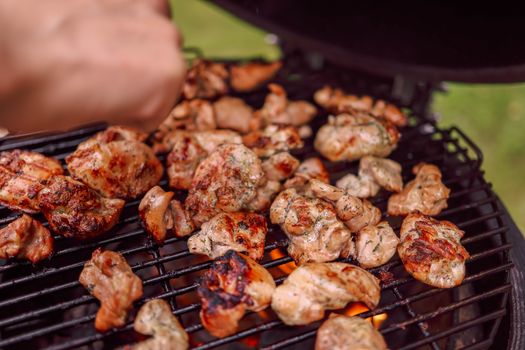
Marinate chicken pieces in vinegar sauce for a few hours before grilling. The acid seasons the meat and helps the skin take on color. If you are smoking a whole chicken, brush on sauce during the last stretch of the cook so the skin does not dry out, then sauce again once it rests. For chicken halves cooked over direct coals, sauce both sides as they finish and set the rest of the bottle on the table.
Wings, Thighs, and Chicken Sandwiches
Wings tossed in vinegar sauce come out tangy and hot rather than sticky and sweet, which makes them a good fit for anyone who finds honey glazed wings too rich. Thighs hold up well to the pepper flakes and stay juicy over high heat. A fried or grilled chicken sandwich with vinegar sauce, pickles, and a soft bun covers the same ground as the pork version.
Other Meats That Take Well to a Vinegar Finish
Pork and chicken get the most attention, but the sauce is not limited to them. Anything rich or fatty benefits from a splash of vinegar.
-
Beef brisket: serve sliced brisket with vinegar sauce on the side so guests can cut the fat themselves.
-
Smoked sausage and hot links: a split link with sauce poured in makes a fast appetizer.
-
Turkey: smoked or roasted turkey breast stays moist and picks up the pepper heat well.
-
Grilled vegetables: okra, squash, and peppers off the grill take on the same tangy finish.
-
Fried foods: a little vinegar sauce on a plate of fried fish or hushpuppies cuts the grease.
Marinade, Mop, or Finishing Sauce
One bottle does three jobs, and knowing which one you are doing changes the timing.
-
As a marinade, pour it over the meat a few hours ahead and keep it in the refrigerator. The vinegar does the work.
-
As a mop, brush it on during the cook to keep the surface of the meat from drying out and to build flavor in thin layers.
-
As a finishing sauce, toss it with the meat after it comes off the heat, or set the bottle on the table and let everyone pour their own.
Keep a clean bottle for the table and a separate one for the grill. You do not want a brush that touched raw meat going back into the bottle you plan to serve from.
A 60-Year-Old Family Recipe from North Carolina
Jim’s Own Sauce is a North Carolina family brand, and the Vinegar sauce comes from a recipe the family has been making for 60 years. That matters more than it sounds. Vinegar sauces are simple enough that small choices, the balance of cider vinegar to pepper, the amount of bite at the end, decide whether the sauce tastes like Carolina or like something thrown together at the last minute.
The Vinegar sauce sits alongside the rest of the Jim’s Own line, which includes Mild, Hot, Honey Mustard, Smokey, and Sticky Q sauces, plus Mild, Smokey, and Texas Steak rubs, sausage seasonings, and rubbed sage. If you are stocking up for a cookout, the sauce comes in pints and gallons, as well as multi-packs and cases for people who go through it fast.
For anyone who has only ever used a sweet supermarket sauce, this is the bottle to try first. Buy the pint, cook a pork shoulder, and sauce the meat the way it is done in eastern North Carolina.
Sides That Pair With Vinegar Sauce
Vinegar sauce is sharp, so the sides around it should be soft and cooling. Coleslaw is the standard partner and works both on the plate and on the sandwich. Baked beans, cornbread, potato salad, and pickles all hold up next to the acidity. Sweet tea does the same job in a glass.
If you are serving a crowd, keep the sauce out on the table in a small pitcher rather than dressing every plate yourself. People tend to start light and then add more once they taste how well it works with smoke.
Storing the Sauce
NC vinegar BBQ sauce keeps well because vinegar is a preservative. Check the label on your bottle for the storage directions that apply to it, and keep a small squeeze bottle filled for the table while the larger container stays put. If you buy in bulk, a case in the pantry means you are never caught without sauce in the middle of a cook.
Frequently Asked Questions
What is NC style barbecue sauce?
NC style barbecue sauce is a thin, vinegar based sauce tied to North Carolina barbecue. Carolina vinegar BBQ sauce originated in North Carolina and is known for a sour, spicy flavor. Apple cider vinegar usually leads, with crushed red pepper flakes, black pepper, and cayenne adding heat. It is poured over pulled and chopped pork rather than used as a thick glaze.
What kind of vinegar is used in Carolina BBQ sauce?
Apple cider vinegar is the most common choice, and many recipes use it alone or alongside white vinegar. The vinegar sets the sharpness of the finished sauce, so cider vinegar brings a slightly fruity edge while white vinegar pushes it more neutral. From there, pepper flakes, black pepper, and cayenne build the heat.
Do you have to cook vinegar BBQ sauce?
No. Eastern North Carolina vinegar sauce requires no cooking and is simply stirred together from vinegar, pepper, and seasonings. That is one reason the style stayed popular in home kitchens and barbecue joints alike. A bottled sauce like Jim’s Own Vinegar is ready to pour straight from the jar, so the only decision left is how much to use on your pork.
What meat is best with vinegar BBQ sauce?
Pulled and chopped pork is the classic pairing, and chicken runs a close second. The acidity cuts through the fat in pork shoulder and keeps each bite tasting fresh. Grilled and smoked chicken, wings, thighs, brisket, turkey, and smoked sausage all work too. Serve the sauce on the side so each person can pour as much as they like.
Where can I buy Jim’s Own Vinegar sauce?
Jim’s Own Sauce sells its products through the online shop at jimsownsauce.com, including the Vinegar sauce in pints and gallons as well as multi-packs and cases. The same store carries the brand’s other sauces, rubs, and seasonings, so you can put together a full set for a cookout in one order.