
Jim’s Own Vinegar Sauce: What It Is and Which Meats It Belongs On
Vinegar based BBQ sauce is the thin, sharp, pepper-flecked sauce that shows up on pulled pork in North Carolina and confuses anyone who expects barbecue sauce to be thick and sweet. It pours more like a dressing than a glaze. It tastes like acid and heat. And it does something a tomato-based sauce cannot do: it resets your palate between bites of rich smoked meat instead of stacking on more sugar.
If you have only ever used a thick, sweet sauce, the first spoonful can taste almost aggressive. Pair it with a bite of smoked pork shoulder and the logic clicks. The tang lifts the smoke, the pepper lingers, and the meat tastes more like meat. Here is what the sauce actually is, how the Carolina styles differ, and which cuts it belongs on.
What Vinegar Based BBQ Sauce Actually Is
At its core, a vinegar based BBQ sauce is a simple blend built on vinegar and seasoned with red pepper flakes, salt, and pepper. Published recipes for Eastern Carolina style sauce describe exactly that combination, with nothing thick enough to coat the back of a spoon. Some versions add a small amount of sweetness, often brown sugar. Others bring in apple juice or apple cider alongside cider vinegar to round off the sharp edges.
The result is thin, pourable, and often translucent. It is not a glaze in the usual sense. You cannot brush it on thick and expect a sticky shell to form, because there is nothing in it designed to caramelize. What it does instead is soak in, season, and sharpen everything it touches.
That is also why a bottle of vinegar sauce lasts differently in your kitchen habits. You will reach for it as a finishing sauce and a table condiment far more often than as a baste. It is a seasoning first and a sauce second.
Why Vinegar Works So Well With Smoked Meat
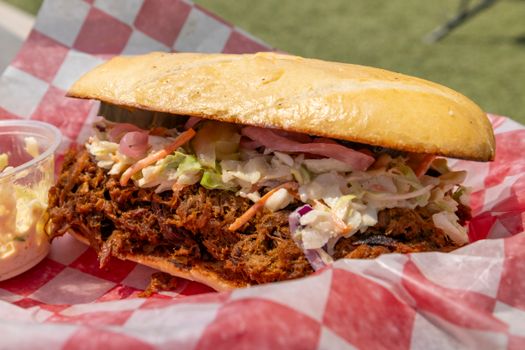
Smoked pork shoulder, brisket, and chicken are fatty, salty, and heavy. A vinegar sauce is acidic and light, which is exactly the balance those cuts need. The acid cuts through rendered fat, and the heat from crushed red pepper keeps the flavor moving after you swallow. Instead of tasting the same sweet note on repeat, your palate clears and the next bite of smoked meat tastes like the first one.
Sources that pair vinegar sauce with pulled pork make this point directly: the natural pork flavor is enhanced by the vinegar mix rather than buried under it. That is the entire purpose of the style. A vinegar sauce is not competing with your cooking. It is there to make the smoke and the bark read more clearly.
Which Meats Vinegar Based BBQ Sauce Belongs On
The classic pairings are pork, chicken, and beef, in roughly that order of tradition. The table below lays out why each one works.
|
Meat |
Why it works |
How to serve it |
|---|---|---|
|
Pulled pork and smoked pork shoulder |
Vinegar lifts the natural pork flavor instead of masking it, and the acid cuts the fat in a long-cooked shoulder. |
Splash it over chopped or pulled pork, then keep a bottle on the table for people who want more. |
|
Smoked chicken |
Recipes built on apple cider vinegar, crushed red pepper flakes, and a touch of brown sugar are made for smoked chicken. |
Brush it on pulled or chopped chicken, or serve it alongside a half chicken so the skin stays crisp. |
|
Brisket |
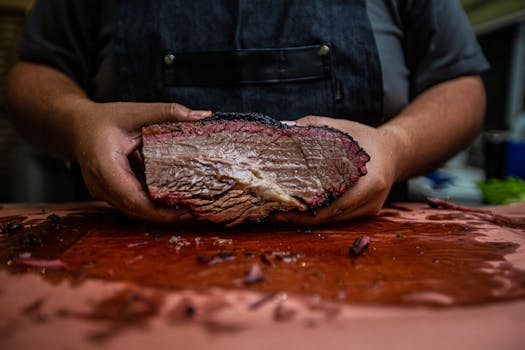
North Carolina vinegar sauce is described as a fit for brisket, where the tang balances heavy beef fat and a peppery bark. |
Serve on the side rather than pouring it over sliced brisket, so the bark holds. |
Pork remains the heart of the style. Our vinegar sauce on pulled pork is one of those combinations that needs no explanation once you have tried it, and it is the reason the sauce has stayed in rotation for generations of Carolina cooks.
How to Use It: Mopping, Finishing, and the Table Bottle
A vinegar sauce usually earns its keep in three places. The first is during the cook, where a thin vinegar mix can be mopped or spritzed onto pork as it smokes to add moisture and a light tang. The second is as a finishing sauce, splashed over meat after it has been pulled or chopped so the seasoning distributes evenly. The third is on the table, where guests add as much or as little as they want.
Because the sauce is thin, it also works as a quick dressing for cabbage slaw, which is the traditional partner to a pulled pork sandwich. A spoonful or two mixed into shredded cabbage, with a little salt, gives you a cold, crunchy counterpoint to warm pork. If you are building a plate, that combination does more for the meal than any extra ladle of sauce on the meat.
One practical note: a little goes a long way. Vinegar sauce is assertive. Start with a light splash, taste, then add more. It is easy to add and impossible to remove.
Common Mistakes to Avoid
-
Treating it like a thick sauce. Do not expect it to cling or form a glaze. Use it as a splash, a mop, or a finishing layer.
-
Only using it before cooking. Vinegar sauce shines most after the meat comes off the smoker, when it can season without cooking off.
-
Skipping the slaw. The cold, crunchy contrast is half the point of the sandwich.
-
Serving it ice cold straight from the fridge. Letting it sit out for a few minutes brings the pepper and vinegar forward.
Frequently Asked Questions
What is Jim’s Own Vinegar made of?
Our vinegar sauce is made of simple ingredients: vinegar, apple juice, sugar, tomato paste and seasonings. You will not find high fructose corn syrup, preservatives, or artificial dyes in any of our sauces.
What meat goes best with vinegar based BBQ sauce?
Pulled pork is the classic match, because the vinegar enhances the natural pork flavor instead of masking it. Smoked chicken works well too, especially with versions that include apple cider vinegar, crushed red pepper flakes, and a touch of brown sugar. Brisket is another strong pairing, where the tang balances heavy beef fat and a peppery bark.
Can you use Jim’s Own Vinegar BBQ sauce as a marinade?
You can, and the acidity will season the meat, but the sauce is at its best after cooking. A thin vinegar mix works well mopped or spritzed onto pork while it smokes for moisture and light tang, then splashed over the meat once it is pulled or chopped. Save some for the table so guests can add more.
Why is vinegar based BBQ sauce so thin?
Because it is not designed to glaze. There is nothing in a traditional vinegar sauce meant to caramelize or cling, so it stays pourable and translucent. That thinness is the point. It soaks in, seasons the meat, and cuts through fat, which is why it pairs so well with long-smoked pork rather than delicate cuts.