Jim’s Own Xtra Sage seasoning for Venison Sausage: A Low-Sodium Hunter’s Seasoning

Venison sausage should taste like sage, black pepper, pork fat, and meat. Not like a salt shaker with a spice problem. That balance is the whole job, and it is harder than it sounds when you are working with lean game and a freezer full of trim. Jim’s Own Sauce Xtra Sage Sausage Seasoning was made for this exact kitchen counter moment: a hunter, a grinder, and a batch that needs real sage flavor without a heavy hand on sodium.
If you make sausage once a year after deer season, you already know the routine. You thaw the trim, cube the pork fat, haul out the grinder, and then stare at a shelf of seasonings wondering which one will actually carry the meat. Our rubbed sage seasoning is a straightforward answer for anyone who wants the traditional sage profile in venison sausage, breakfast patties, and bulk packs, with significantly less sodium than most store-bought sage seasonings.
 Why Sage Is the Backbone of Venison Sausage
Sage and game meat have a long history together, and it is not an accident. Venison carries a flavor that is richer and sometimes more mineral than pork or beef. Sage meets that head on. It is earthy, slightly piney, and assertive enough to season the meat without covering it up. Black pepper and red pepper flakes usually follow, with a little sugar to round out the edges. Those are the flavors people recognize immediately as sausage.
Most home blends built for venison lean on sage as the largest spice by volume. A common home blend shared by hunters calls for rubbed sage paired with salt, black pepper, red pepper flakes, and sugar – the exact ingredients in our Xtra Sage seasoning. That tells you something useful: sage is not a background note in venison sausage. It is the lead instrument.
Choosing a sage seasoning rather than a generic poultry seasoning also keeps your batch clean. Poultry blends bring in thyme, marjoram, and rosemary, which can fight the pepper and fat in a sausage. Rubbed sage stays in its lane, so you decide what else goes in the bowl.
Lean Venison Needs Fat and Flavor
Venison is lean, often extremely so, depending on how the animal was trimmed and how much silver skin came off the cuts. Sausage made from straight venison tends to crumble and taste dry no matter how good the seasoning is. Hunters commonly work toward roughly 80 percent venison and 20 percent pork fat, and plenty of batches run even richer. Pork butt is a frequent partner because it brings both fat and a little natural sweetness.
That fat is why sage matters so much. Sage flavor blooms against pork fat in a way it never does against lean meat alone. When the ratio is right and the sage is fresh, a simple blend tastes complete. When the ratio is off, no amount of extra seasoning fixes the texture.
What Rubbed Sage Brings to a Batch
Rubbed sage has been crushed and rubbed until the leaves break into soft, fine pieces. That texture matters in sausage making more than most people expect. Big whole sage leaves clump in a grinder and leave you with uneven bites, one link mild and the next one sharp. Rubbed sage disperses through ground meat more evenly, so every patty and every link carries the same flavor.
It also hydrates quickly when it hits the moisture in the meat. That means the flavor is available right away rather than after a long rest in the refrigerator. For hunters who grind, season, and stuff in a single afternoon, that is a practical advantage.
 Lower Sodium Without a Bland Batch
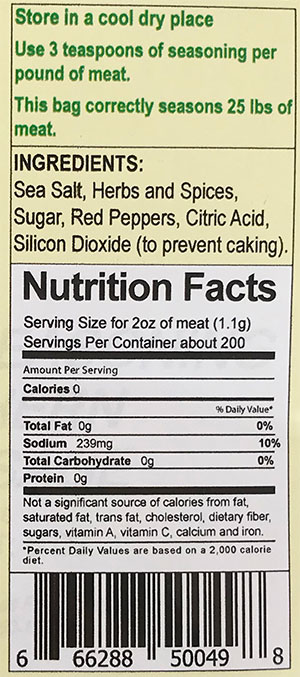
Salt does more than make food taste salty. In sausage it draws moisture, helps the meat bind, and makes the spices read louder. That is why high-salt blends are so common, and why so many store-bought sage seasonings taste like salt with a hint of herb. Xtra Sage takes a different route, with significantly lower sodium than most store-bought sage seasonings so you stay in charge of the salt level in your batch.
That control is useful. If you are watching sodium, cooking for someone who is, or simply want the sage and pepper to come through, you can season the meat the way you want and taste as you go. Add more salt in stages, mix thoroughly, and fry a test patty before you commit the whole batch. If your process includes a cure, follow the cure manufacturer’s directions exactly and treat the cure as a separate ingredient from your seasoning.
A Simple Starting Point for a 25 Pound Batch
Use this as a reference, not a rule—it is designed for a batch built on roughly 80 percent venison and 20 percent pork fat. Taste and adjust from there, because deer fat and pork fat vary a lot from one animal to the next.
Use 8 ounces of Jim’s Own Xtra Sage Seasoning for 25 pounds of meat.
Keep the meat and fat cold while you work. Cube the fat small, grind with a sharp plate, and mix the seasoning in thoroughly but gently so the fat stays in suspension instead of smearing. A rested batch, covered and chilled, usually tastes better the next day, but do not skip the fry test just because you plan to rest it.
Test Before You Stuff
Fry a small patty in a skillet before anything goes into a casing. This one step saves batches. The patty tells you whether the spice level is where you want it. Remember that cold sausage tastes milder than hot sausage, so judge the patty after it cools for a moment. Write down what you changed so next season’s batch starts from a known place.
Where Xtra Sage Works Beyond Links
Smoked links and fresh brat-style sausage are the obvious uses, but the seasoning earns its keep elsewhere. Breakfast patties made from ground venison and pork fat are a natural fit, and bulk sausage for biscuits and gravy might be the most popular use of all in a hunting household. A sage-forward blend also works in summer sausage style recipes, though those typically add their own cure and often a sharper pepper profile.
Keep a bag in the pantry for ground pork, too. Sage is traditional with pork for good reason, and a lower sodium sage seasoning lets you season a pan of breakfast sausage without the salt level running away from you.
Handling and Storage
Keep the bag sealed and stored somewhere cool and dark, away from the stove. Xtra Sage holds its flavor well, but heat and steam are its enemies. Measure with dry hands and a dry spoon, since moisture clumping in the bag shortens its useful life. If the aroma has gone flat when you open the bag, the flavor in the meat will be flat too.
Stock Up Before the Season Starts
Freezer space fills up fast after a successful hunt, and the last thing you want is to be short on seasoning with 20 pounds of trim already ground. Jim’s Own Xtra Sage is a pantry staple worth buying before opening day, whether you are making smoked links, breakfast patties, or bulk packs for the winter. Order it from the Jim’s Own Sauce shop and keep a bag on hand so a good deer does not sit in the cooler waiting on a spice run.
Frequently Asked Questions
How much Xtra Sage Seasoning should I use per pound of venison?
Scale down from a reference blend rather than guessing. A common home ratio is about 8 ounces for a 25 pound batch built on roughly 80 percent venison and 20 percent pork fat. Work from that, then fry a small patty and adjust the next batch. Pork fat content and the deer’s diet both change how much sage the meat can carry.
Is rubbed sage the same as ground sage?
They are close but not identical. Rubbed sage has been crushed until the dried leaves separate into soft, fine flakes. Ground sage is milled into a powder. Rubbed sage disperses well in ground meat and still shows a little texture, while ground sage blends in more completely. Either works in sausage, though rubbed sage is the classic choice for a sage-forward blend.
Do I still need to add salt if the seasoning is lower in sodium?
Yes, plan on adding salt to your own taste. A lower sodium sage seasoning hands you the controls, so add salt in stages and fry a test patty before stuffing. If your recipe uses a cure, measure and follow the cure manufacturer’s directions exactly. The cure is a separate ingredient and should not be estimated.
Can I use Xtra Sage on other game meats?
Sage works with elk, wild hog, and other game that benefits from an earthy, peppery profile. Wild hog is an especially easy swap since it already carries pork fat. For leaner game, add fat first, then season. The sage ratio stays roughly the same, but the fat content decides how much flavor the meat can hold.