BBQ Sauce Pairing Guide for Pork, Chicken, Beef, and Seafood
A bottle of sauce can carry a whole cook, and the wrong one can bury it. The sweet, thick sauce that makes pulled pork taste like a Saturday afternoon will flatten a piece of flaky white fish in one spoonful. The same vinegar-forward sauce that cuts through brisket fat can overwhelm a delicate shrimp skewer. Pairing is not about finding the single best sauce. It is about matching the weight, sweetness, and acidity of the sauce to the fat and flavor of the meat on the grate.
Jim’s Own Sauce covers a wide spread of styles, from Mild and Hot to Honey Mustard, Smokey, Vinegar, and Sticky Q, plus rubs and sausage seasonings that let you build flavor in layers. This guide walks through each major protein and shows which bottles earn a place on the plate.
Start With the Sauce Style, Not the Meat
Most barbecue sauces land in one of three regional families: vinegar, mustard, or tomato. Each behaves differently against fat, smoke, and char. Knowing the family tells you more about pairing than the label color ever will.
-
Vinegar-based sauces are thin, sharp, and built to cut richness. They work best on fatty cuts.
-
Mustard-based sauces bring acidity plus a savory edge, and they hold up on pork especially well.
-
Tomato-based sauces are thicker and sweeter, with enough body to glaze and cling.
-
Heat-focused sauces need a partner with smoke, not more sugar.
The general rule: tangy sauces built on vinegar, mustard, or citrus work beautifully on fatty meats like ribs or brisket because the acidity cuts the fat. Lean proteins want a lighter hand and a milder bottle.
Pork: Where Vinegar and Mustard Earn Their Keep
Pulled Pork and Shoulder
Pulled pork is rich, soft, and fatty, which makes it the ideal canvas for a sharp sauce. A vinegar-based sauce is the classic move. It soaks into the shreds instead of sitting on top, and the acidity keeps each bite from turning heavy. Jim’s Own Vinegar works here as both a finishing sauce and a table bottle.
For a sweeter crowd, serve Mild alongside and let people build their own plate. Coleslaw and baked beans are the standard accompaniments with pulled pork, and the slaw’s crunch and tang do the same job as a vinegar sauce. Grilled vegetables also work as a lighter, less traditional side that keeps the plate balanced.
Ribs
Ribs carry a lot of fat, so the sauce has room to be bold. A tangy sauce is a strong fit because it slices through the richness. If you have built a smoky bark with Jim’s Own Smokey rub, a Hot sauce adds a second layer of heat without competing. That spicy-sauce-plus-smoky-rub combination is one of the most reliable pairings in barbecue.
For a stickier rack, Jim’s Own Sticky Q gives you the glaze texture people expect when they pick up a rib. Brush it on toward the end so the sugars have time to set without scorching.
Chops and Sausage
Pork chops are leaner than shoulder and take a lighter touch. Jim’s Own Honey Mustard is a natural fit, bringing honey’s sweetness against mustard’s tang. The same bottle shines on pork sausage, where mustard is a traditional partner. If you are making your own links, Jim’s Own sausage seasonings let you season the grind, then finish with sauce at the table.
Chicken: Balance Sweetness Against Lean Meat
Grilled and Smoked Chicken
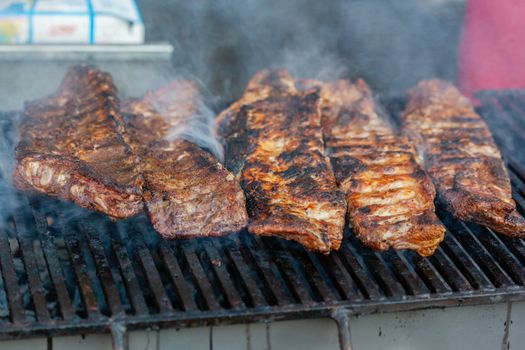
Chicken is lean, and lean meat is easily overpowered. A thick, molasses-heavy sauce can dominate a whole grilled bird. Jim’s Own Mild is the safer pick for a whole chicken or leg quarters, especially if the rub is doing the heavy lifting. Jim’s Own Smokey adds depth that pairs well with charcoal or wood smoke without adding much heat.
Wings, Tenders, and Honey Mustard
Wings are forgiving because the skin carries fat and the meat is a small bite. Jim’s Own Hot is the straightforward pick for anyone who wants heat, and a spicy sauce pairs best with a smoky rub so the heat has something to sit against. Honey Mustard is the other half of the wing conversation, especially on tenders and fried pieces where the sweetness and tang contrast with the crust.
A practical approach for a party: put out two bottles, one hot and one honey mustard, and let guests dress their own wings. Chicken holds sauce well enough that you do not have to commit to one flavor for the entire batch.
Beef: Acid Cuts the Fat
Brisket
Brisket is the fattiest cut most home cooks tackle, which is exactly why tangy sauces work so well on it. Vinegar cuts the fat, and the sharpness keeps a rich slice from tasting greasy. Serve it on the side rather than poured over the top so the bark stays intact. A Smokey rub plus a Vinegar or Mild sauce gives you the classic contrast of smoke, salt, and acid.
Steaks, Burgers, and Burnt Ends
Steak usually does not need sauce, but a rub can add a crust that sauce would only cover up. Jim’s Own Texas Steak rub is built for that job. If you do want a finishing sauce on steak, keep it light and use Mild so the beef stays the headline.
Burgers are more forgiving. Hot, Mild, or Sticky Q all work, depending on whether you want heat, balance, or a sticky glaze. Burnt ends, being cubes of fatty point, take the same treatment as brisket: a tangy sauce on the side and plenty of it.
Seafood: The Lightest Touch Wins
Shrimp and White Fish
Seafood is where a heavy pour goes wrong fastest. Shrimp can handle a vinegar-based sauce because the acidity reads bright rather than heavy. Flaky white fish is more fragile. Use Mild sparingly, or brush it on during the last moments of cooking so the sauce warms through without turning the fillet into a sauce delivery vehicle.
Salmon
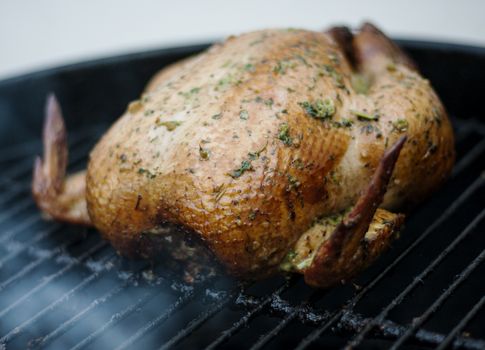
Salmon has enough fat to stand up to more flavor than white fish. Honey Mustard is a good match, and Smokey works if you are cooking over wood or on a cedar plank. Hot is a bold choice here, and it works best as a thin glaze rather than a coating.
Quick Pairing Reference
|
Protein |
Best-fit sauces |
Why it works |
|---|---|---|
|
Pulled pork |
Vinegar, Mild |
Acidity cuts fat and soaks into shredded meat |
|
Ribs |
Sticky Q, Hot, Vinegar |
Fat carries bold flavor and sticky glaze |
|
Pork chops and sausage |
Honey Mustard |
Sweet-tangy contrast against leaner pork |
|
Grilled or smoked chicken |
Mild, Smokey |
Lean meat needs a lighter hand |
|
Wings |
Hot, Honey Mustard |
Skin and crust handle heat and sweetness |
|
Brisket |
Vinegar, Mild |
Tangy sauce balances heavy fat |
|
Burgers |
Sticky Q, Hot, Mild |
Flexible base takes glaze or heat |
|
Steak |
Mild, or rub only |
Keep the beef flavor forward |
|
Shrimp and white fish |
Vinegar, Mild |
Bright acidity without heavy sweetness |
|
Salmon |
Honey Mustard, Smokey |
Oily fish stands up to more flavor |
Build Layers With Rub First, Sauce Second
Rub and sauce do different jobs. A rub seasons the surface and helps form bark. A sauce finishes, adds moisture, and brings acid or sweetness at the end. Stacking a spicy sauce on a smoky rub gives you two distinct flavor bands, which is why that pairing shows up again and again in barbecue cooking.
The same logic applies across the Jim’s Own lineup. Match the rub to the smoke, then match the sauce to the fat content. A Smokey rub on ribs with a Hot sauce is a heat-and-smoke build. A Mild rub on chicken with Honey Mustard is a gentler one. Neither is more correct, but each is deliberate.
Keep sauce on the side when you can. It preserves bark, lets guests choose their own heat level, and keeps leftovers from turning soggy. Sauce brushed on during the final stretch of cooking is the exception, and it works best with thicker bottles that cling.
Frequently Asked Questions
Which sauce works best on pulled pork?
A vinegar-based sauce is the classic choice because pulled pork is rich and fatty, and the acidity cuts through that richness while soaking into the shreds. Mild is a good second bottle for guests who want less tang. Serving both lets people adjust their own plate without you committing to one flavor.
Can I use the same sauce for chicken and ribs?
You can, but the results differ. Ribs carry enough fat to support a bold or sticky sauce, while chicken is leaner and easily overwhelmed by heavy sweetness. Mild or Smokey bridges both, and Hot works if you pair it with a smoky rub so the heat has a base to sit against.
Is a spicy sauce better with a rub or on its own?
A spicy sauce generally works better paired with a smoky dry rub. The smoke gives the heat something to push against, so the sauce reads layered rather than simply hot. Used alone on lean meat, a spicy sauce can flatten the flavor instead of building it.
How should I sauce seafood without overpowering it?
Use less sauce and apply it later. Shrimp handles a vinegar-based sauce well because the acidity stays bright. White fish is more delicate, so a light brush of Mild near the end of cooking is safer than a full coating. Salmon has enough fat to take Honey Mustard or Smokey.
Why do tangy sauces suit fatty meats so well?
Fat coats the palate, and acid resets it. Tangy sauces built on vinegar, mustard, or citrus cut through the richness of cuts like ribs and brisket, so each bite tastes fresh instead of heavy. That is why vinegar and mustard styles have stayed traditional partners for pork and beef in barbecue.