Hot vs Mild BBQ Sauce: Pick the Right Heat for Your Cookout
Two bottles on a picnic table tell you a lot about a cookout host. One is mild, one is hot, and the guests sort themselves out within about ten minutes. The mild bottle gets passed around first, the hot bottle gets claimed by two or three people who treat it like a personal challenge, and both are empty by the end of the afternoon.
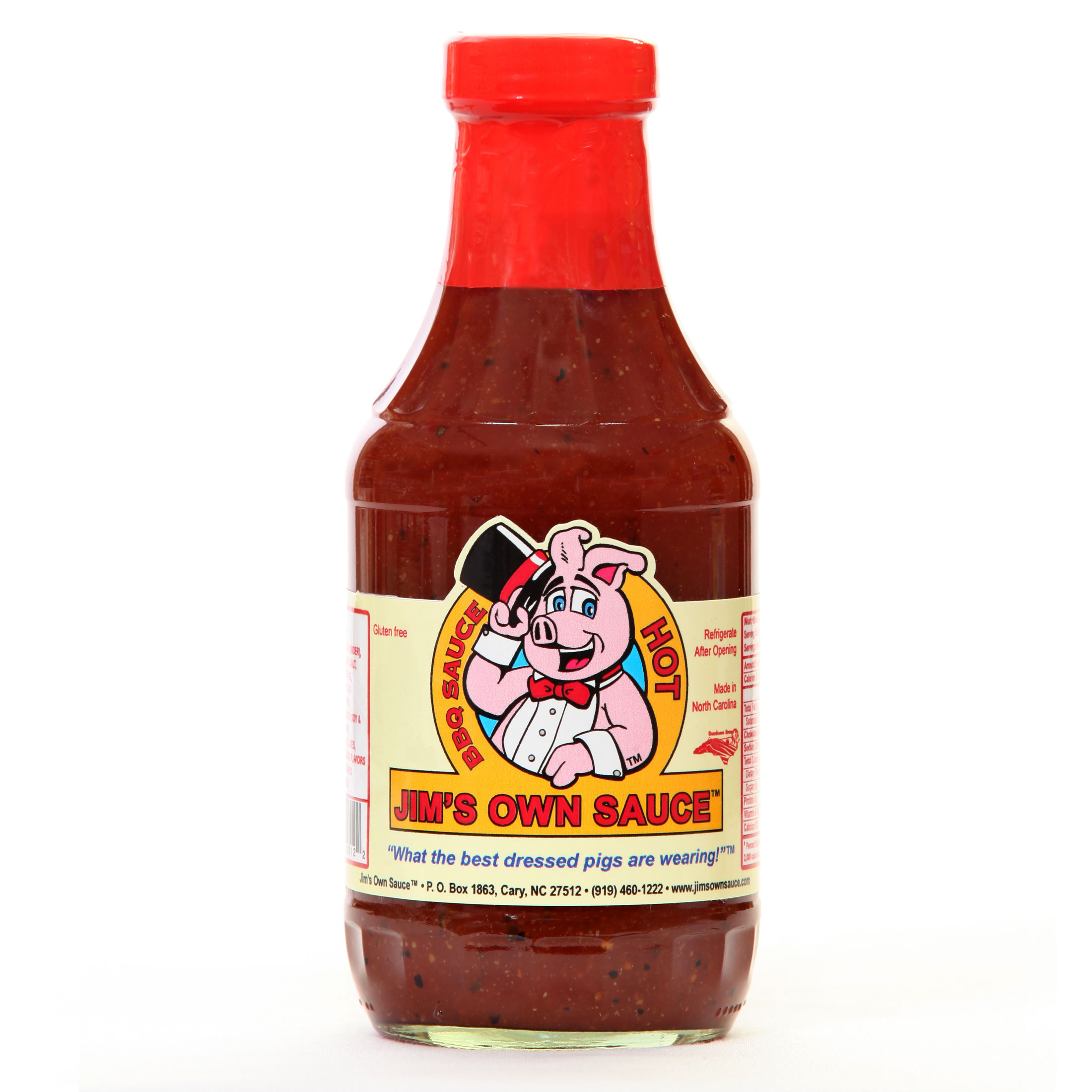
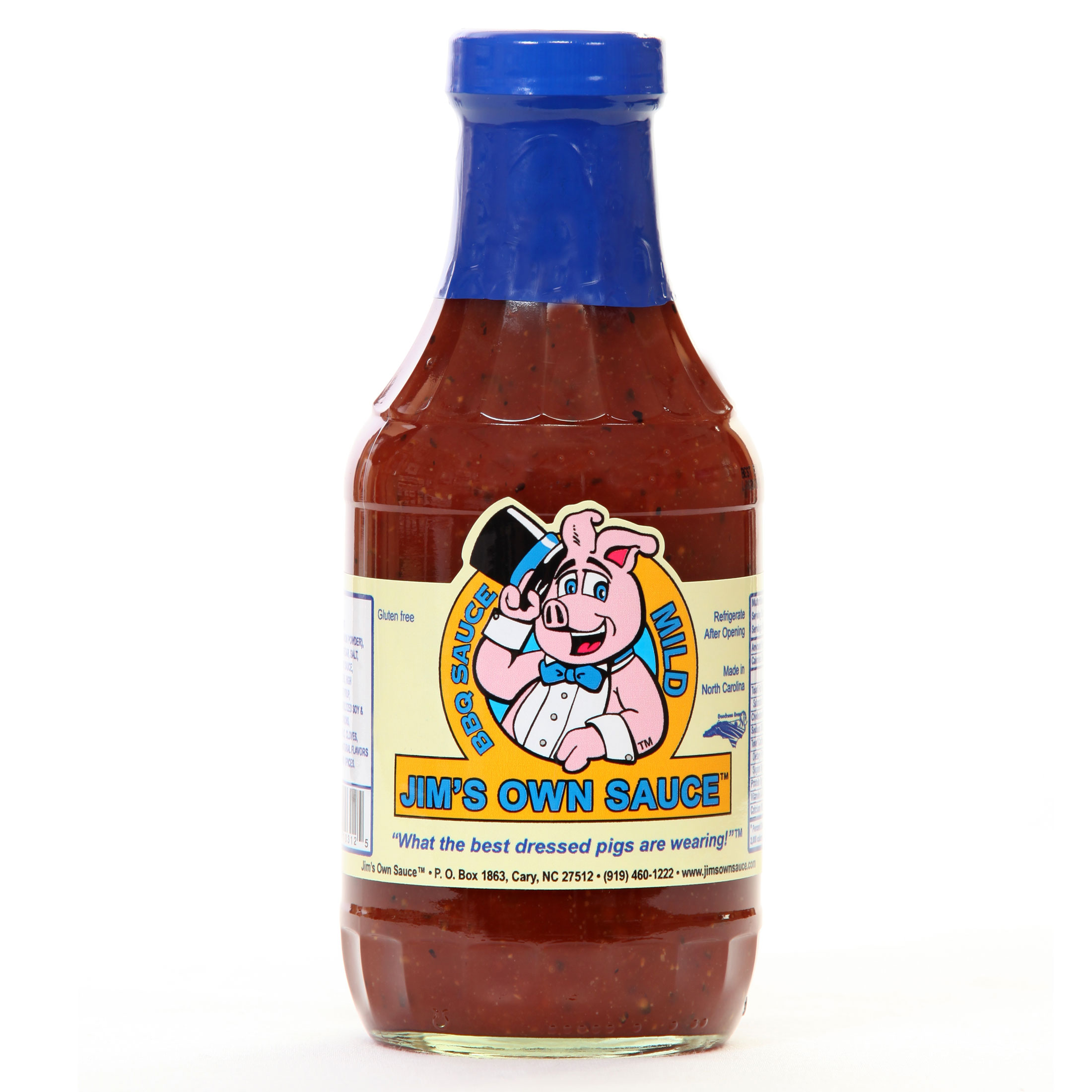
That split is not an accident. Jim’s Own hot and mild BBQ sauce are not the same sauce with the volume turned up. They do different jobs, suit different eaters, and behave differently depending on whether you are glazing chicken on a grill or setting out a squeeze bottle next to a tray of pulled pork. Picking between them is less about bravery and more about reading the crowd, the menu, and how you plan to use the sauce.
 What “hot” and “mild” Actually Describe
In sauce terms, heat is a separate dial from flavor. A sauce can be sweet, smoky, tangy, or mustard-forward, and independently be mild or hot. That is why a mild sauce can taste rich and full while a hot sauce built on the same base tastes nearly identical until the pepper catches up with you a few seconds later.
Mild sauces sit at the low end of the heat range. They are built so the sweet, tangy, and smoky notes lead, with little to no chili burn. Some mild sauces carry a faint warmth in the background, but the point is that nobody at the table has to brace themselves before taking a bite.
Hot sauces and spicy BBQ sauces sit higher on the heat scale. The Scoville scale is the common way chili heat gets described, and hotter products generally use more aggressive peppers or larger amounts of them to push into higher ranges. An extra-hot sauce typically leans on extremely spicy chili peppers, while milder sauces use less aggressive ones or less of them. The heat level is a design choice, not a byproduct.
 Mild Does Not Mean Boring
There is a persistent idea that the hot bottle is the serious one and the mild bottle is for people who cannot handle flavor. Plenty of eaters disagree, and they are not shy about it. Some people have a very low tolerance for heat and go straight for mild because flavor is the priority for them. Others describe wanting flavor with a small, tiny kick rather than a wall of burn.
Read those preferences carefully, because they are two different requests. The first group wants no burn at all. The second group wants a whisper of warmth layered under the sauce, not a challenge. Both are satisfied by a well-made mild sauce, and neither is served well by pushing them toward the hot bottle “just to try it.”
At the other end, hot-sauce loyalists exist in every family and they are usually vocal. They will put hot sauce on things that do not require it. A cookout that only stocks mild will leave them quietly disappointed, and a cookout that only stocks hot will leave everyone else nursing a drink and eyeing the potato salad.
Hot vs Mild BBQ Sauce at a Glance
|
Factor |
Mild BBQ sauce |
Hot BBQ sauce |
|---|---|---|
|
Heat position |
Low end of the scale, minimal burn |
Higher on the scale, pepper heat is noticeable |
|
What leads |
Sweet, tangy, smoky notes |
Pepper and chili character alongside the base |
|
Who reaches for it |
Low heat tolerance, kids, guests who want flavor first |
Heat seekers and people who want a kick with their flavor |
|
Best serving style |
Table bottle, generous glazing, crowd-sized batches |
Side bottle, finishing drizzle, small-batch glazing |
|
Easy adjustment |
Add hot sauce in small amounts to raise heat |
Blend with a mild sauce to soften the burn |
Match the Heat to Your Menu
The food you are serving should drive the decision as much as the guest list does.
For a big, mixed crowd: lead with mild and offer hot on the side. A cookout with kids, grandparents, neighbors, and one chili devotee is not the place for a single bold bottle. Jim’s Own Mild serves as the default, and the hot sauce crowd knows exactly where to find their bottle.
For a barbecue-focused table: pulled pork, ribs, and brisket can carry more heat because the meat itself is rich and the sauce is applied in controlled amounts. Jim’s Own Hot used as a finishing drizzle rather than a drench lets the pepper read clearly without overwhelming the smoke.
For grilled chicken and sausage: mild usually wins as the base because these meats take on a lot of sauce and get eaten in quantity. A hot bottle alongside gives people the option without committing the whole batch.
For a heat-forward crowd: if you know your guests well and they all reach for the spicy bottle, build the cookout around hot sauce and keep a mild bottle in the fridge for the one person who will ask. Someone always asks.
The Two-Bottle Setup That Solves Most Arguments
Most cookout hosts do not need to choose at all. They need a plan.
-
-
Set out Jim’s Own Mild as the default table bottle, with enough for people to be generous.
-
Put Jim’s Own Hot in a smaller side bottle with its own spoon or squeeze top so it does not get cross-contaminated.
-
-
Label both clearly. Nobody wants to discover the hard way that the unmarked bottle was the hot one.
-
Offer a third option if your lineup includes something like Jim’s Own Honey Mustard or Jim’s Own Vinegar, because variety does more for a cookout than raw heat ever will.
This arrangement also protects your food. Sauces applied in the kitchen lock in one heat level for everyone. Sauces set out at the table let each plate decide.
Cooking With Each One
Hot and mild sauces behave differently once they hit the grill, mostly because of how much sauce people use and how closely they watch it.
A mild sauce is forgiving. It is the one you can brush on generously, pass around without warning, and use to feed a crowd without a single question about whether it is too spicy. If you are making a large batch of something and only get one shot at it, mild is the safer build.
A hot sauce rewards restraint. Use it where the pepper can be tasted on purpose: a drizzle over finished meat, a small bowl for dipping, a light brush on a few pieces set aside for the heat lovers. Adding hot sauce to a whole batch of sauce is easy to do and impossible to undo.
If you want to test the waters before the cookout, spoon a little of each sauce into separate bowls, taste them plain, then taste them on a scrap of cooked meat. Sauce tastes different on food than it does off a spoon, and a heat level that feels aggressive alone often reads as mild once it is spread across a piece of pork.
Common Mistakes to Avoid
-
Buying only hot sauce because the host likes heat. The host is one person at a party of twelve.
-
Assuming mild means flavorless. In a blind tasting, tasters are regularly surprised by which bottle they prefer when they are not told the heat level first.
-
Adding hot sauce to a whole pot of sauce to “fix” it. Add to individual portions instead.
-
Forgetting that heat tolerance is personal. One guest’s pleasant tingle is another guest’s ruined meal.
-
Skipping the taste test. Ten seconds with a spoon beats a whole afternoon of apologizing.
Frequently Asked Questions
Is mild BBQ sauce completely free of heat?
Mild means low heat, not necessarily zero. Our mild sauce is built so the sweet, tangy, and smoky notes lead, and any warmth sits far in the background where most people will not notice it. If you are cooking for someone with a very low tolerance, taste the sauce plain before you commit a whole batch.
Can I make a mild BBQ sauce hotter?
Yes. Jim’s Own Hot can be stirred into barbecue sauce, and both the type and the amount can be adjusted to reach the heat level you want. Work in small additions, taste between each one, and add the heat to individual portions rather than the whole bottle so you do not lose the mild option.
Does hot BBQ sauce sacrifice flavor for heat?
It should not. Spicy barbecue sauces are typically blended with chili, pepper, or hot sauce in a way that adds heat while keeping the base sauce character intact. Heat and flavor are separate dials. The best way to judge is a side-by-side taste of the same sauce line at both heat levels.
Which should I buy for a cookout with mixed guests?
Start with mild as the table sauce and add a hot bottle on the side. That combination covers guests with low heat tolerance, guests who want only a small kick, and the heat seekers who will finish the spicy bottle themselves. Buying mild by the larger size and hot in a smaller bottle usually matches how the two get used.
Should I sauce food in the kitchen or let guests do it at the table?
Both have a place. Sauce applied in the kitchen suits dishes where you want an even coating, and sauce set out at the table suits mixed crowds because each person controls their own heat. For a group with unknown heat preferences, put the mild bottle on the table and keep the hot one within easy reach.
Choosing between hot and mild barbecue sauce is really a question about who is eating and how the sauce will be used. A mild bottle carries a crowd and lets the meat do the talking. A hot bottle adds a deliberate kick for the people who want one. Stock both, label them clearly, and taste before you commit a whole batch, and the sauce question at your cookout resolves itself before the first plate is filled.